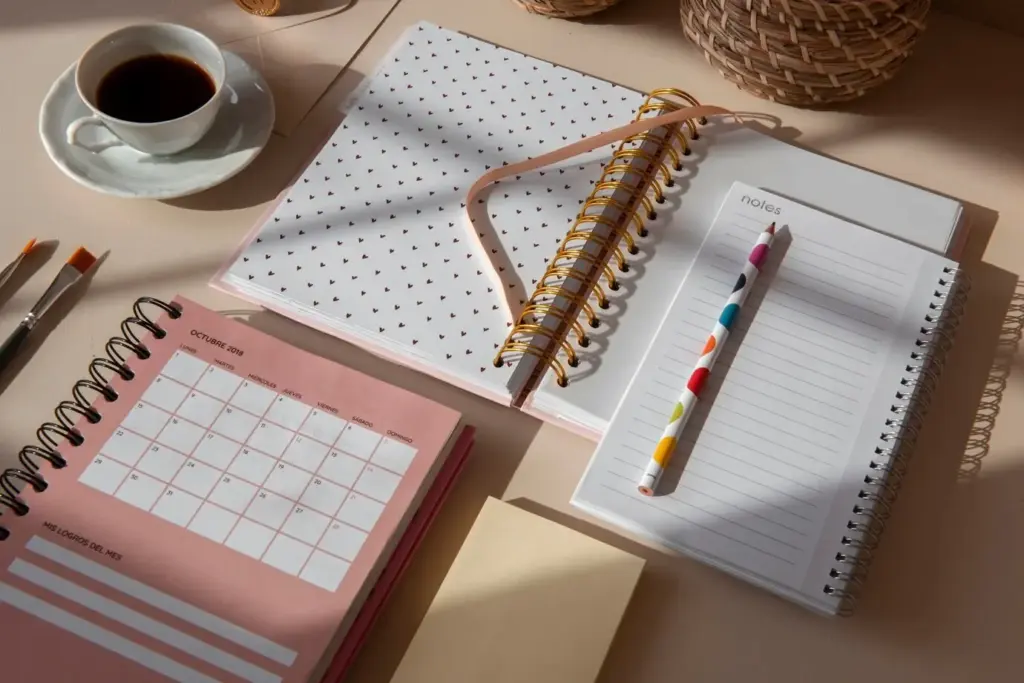
Notes That Grow: A Practical Journey with Zettelkasten

Today we explore how to apply the Zettelkasten method to turn fleeting notes into evergreen insights, building a resilient system that captures sparks, distills meaning, and weaves connections. Expect actionable steps, real anecdotes, tooling tips, and prompts that help your ideas mature into trusted guidance for research, writing, and everyday decisions.

From Fleeting Sparks to Durable Notes

Every breakthrough begins as something small and skittish, a half-formed sentence scribbled during a meeting or a highlight on a train. By shaping these glimpses into atomic, self-contained notes, you preserve intent while avoiding clutter, enabling steady growth through future links, contexts, and re-discovery without chasing the original moment again.

Connections That Compound Thinking

Power emerges not from piles, but from purposeful links. Zettelkasten thrives when notes reference each other in ways that clarify cause, contrast ideas, and reveal patterns. Instead of hoarding quotes, cultivate relationships—supporting, opposing, sequenced, and thematic—so reasoning becomes visible, reusable, and steadily more valuable with every thoughtful connection you add.

A Day-to-Week Workflow That Actually Sticks

Morning Capture Ritual

Begin with a five-minute sweep: inbox triage, quick renames, and turning one raw snippet into an atomic note. This tiny win establishes momentum, calibrates focus, and ensures at least one idea graduates daily. Over time, that dependable rhythm outperforms sporadic marathons and dramatically reduces the guilt of looming backlogs.

Midday Synthesis Sprint

Schedule a brief session to connect today’s notes with past ideas. Add a link, write one original sentence, and note an open question. The emphasis is transformation, not perfection. By repeatedly nudging notes toward clarity, you steadily accumulate insight density that later drafts and decisions can trust without hesitation.

Weekly Weave and Prune

End the week by reviewing new notes, promoting two or three into structure notes or permanent insights, and archiving dead ends. Summarize one chain of reasoning in your own words. This meeting with your thinking keeps direction intentional, maintains signal, and prepares a runway for next week’s deeper work.

Tools, Templates, and Tactile Habits

Great systems are tool-agnostic but habit-dependent. Whether you prefer index cards, plain-text vaults, or networked notebooks, choose setups that reduce friction, safeguard portability, and make links effortless. Light templates and small rituals reinforce flow, letting your method survive platform changes and stay useful when circumstances inevitably shift.

Index Cards and a Quiet Box

Paper excels at focus. One card per idea, bold titles, and penciled folgezettel numbers encourage clarity and honest limits. A simple divider system replaces bloated folders. The tactile constraint helps you phrase ideas crisply, review without screens, and maintain momentum even during tech breaks, travel, or intentional disconnection.

Plain Text, Markdown, and Backlinks

Digital notes in plain text travel well across decades. Markdown keeps formatting simple, while backlinks and search power fast, resilient linking. Combine stable filenames with lightweight IDs and minimal templates for repeatable structure. You preserve sovereignty over your knowledge while still enjoying the speed of modern note tools.

Graphs, Databases, and Guardrails

Visual graphs reveal clusters, but never mistake aesthetics for understanding. Use databases or properties to track sources, statuses, and review dates, then set tiny automations for spaced revisits. Guardrails prevent over-collection and nudge synthesis, ensuring your system rewards explanation, not accumulation, and steadily improves the quality of thinking.

Why It Works: The Cognitive Science Angle

Zettelkasten aligns with principles like retrieval practice, elaboration, and spaced repetition. Atomic notes become cues; linking forms context-rich networks; structure notes guide explanation. These mechanisms reduce cognitive load, strengthen memory, and transform passive consumption into active construction, so understanding deepens and remains accessible when real problems demand clarity.

From Notes to Finished Work

Production should feel like rearranging thoughtfully connected parts, not fighting a blank screen. With structure notes outlining arguments and links supplying evidence, drafting accelerates. You keep your voice, trace origins, and confidently ship, then feed lessons back into the system, compounding clarity for the next ambitious project.

Outlines Built from Links, Not Blank Pages

Start with a structure note that already hosts the argument’s spine. Drag in linked notes as supporting limbs. Because sources and claims are pre-digested, drafting becomes assembly with thoughtful transitions. This method preserves momentum and drastically reduces the anxiety that often sabotages promising, time-sensitive creative opportunities.

Citations, Quotations, and Your Voice

Store bibliographic details alongside literature notes, then reference them directly from permanent notes. Quote sparingly and paraphrase generously, adding commentary that distinguishes your perspective. This balance honors sources, clarifies ownership, and demonstrates synthesis, allowing readers to trust both your rigor and the originality of your contributions.

Publishing, Feedback, and Iteration

Ship small pieces early—notes turned into newsletters, talks, or memos—to test clarity. Invite questions, tag resulting critiques, and create follow-up structure notes capturing decisions and revisions. This loop hardens insights against real-world complexity, strengthens relationships, and keeps your library alive as a partner in ongoing, meaningful work.

Purafekakinove
Privacy Overview

This website uses cookies so that we can provide you with the best user experience possible. Cookie information is stored in your browser and performs functions such as recognising you when you return to our website and helping our team to understand which sections of the website you find most interesting and useful.